
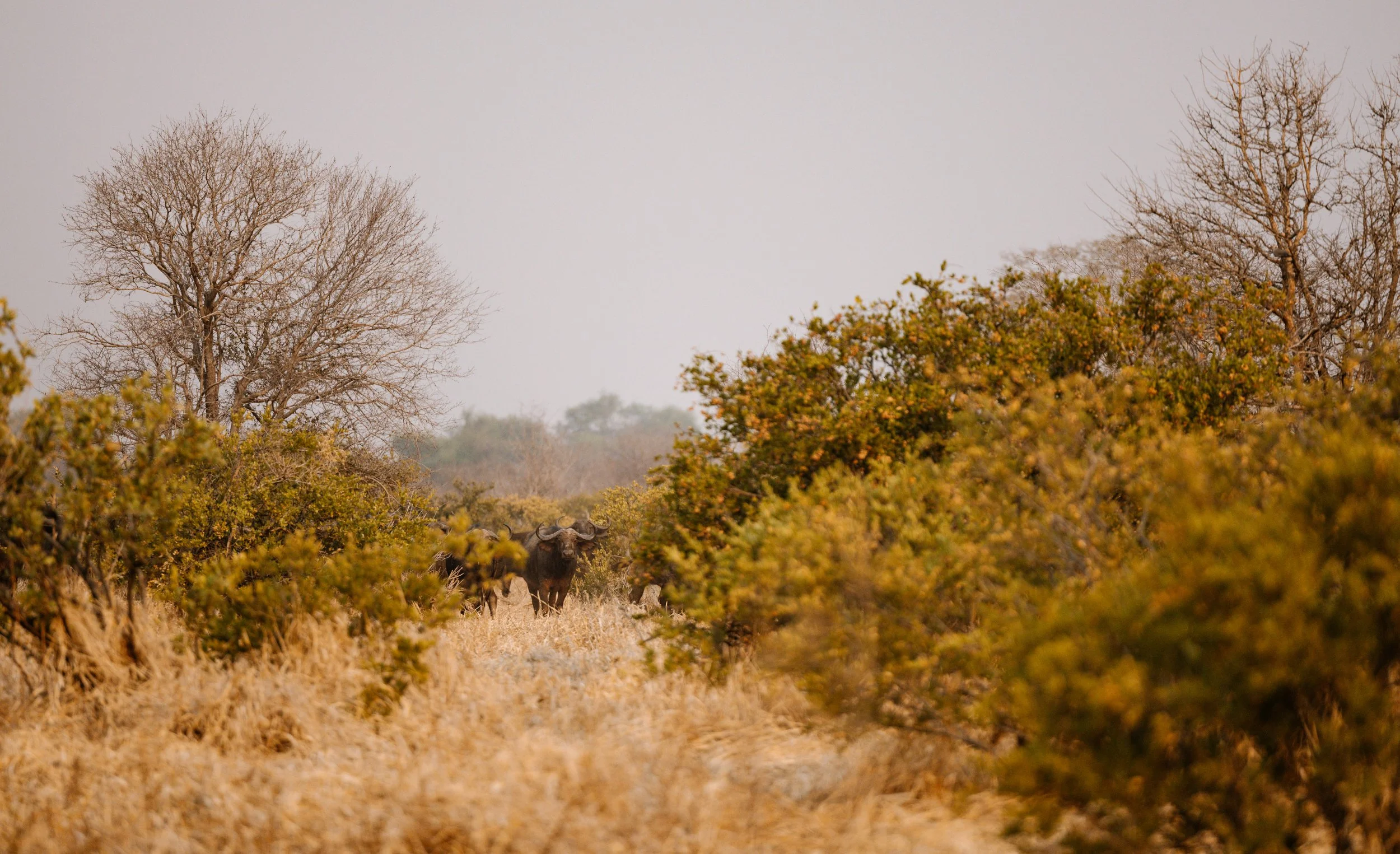
Hidden between the escarpment and the winding Zambezi River lies Rifa, a wilderness that time, and the public, forgot. For more than two decades this 55,000-hectare concession remained closed, its 32 kilometres of river frontage and Mana Pools-style floodplains left undisturbed. Since anti-poaching and conservation efforts began in 2017, the land has quietly come back to life, its plains and big game populations flourishing once again. Sitikila Camp is one of only four camps that will ever be permitted into this protected wilderness — a semi-permanent, low-impact tented camp set on raised decking overlooking a wild inland pan. Designed for photographers, birders, and those seeking a version of Africa that is disappearing everywhere else, Sitikila links seamlessly with our camps at Tafika and Makombakomba in Sapi, forming one uninterrupted photographic safari corridor along one of the most spectacular stretches of the entire Zambezi River.
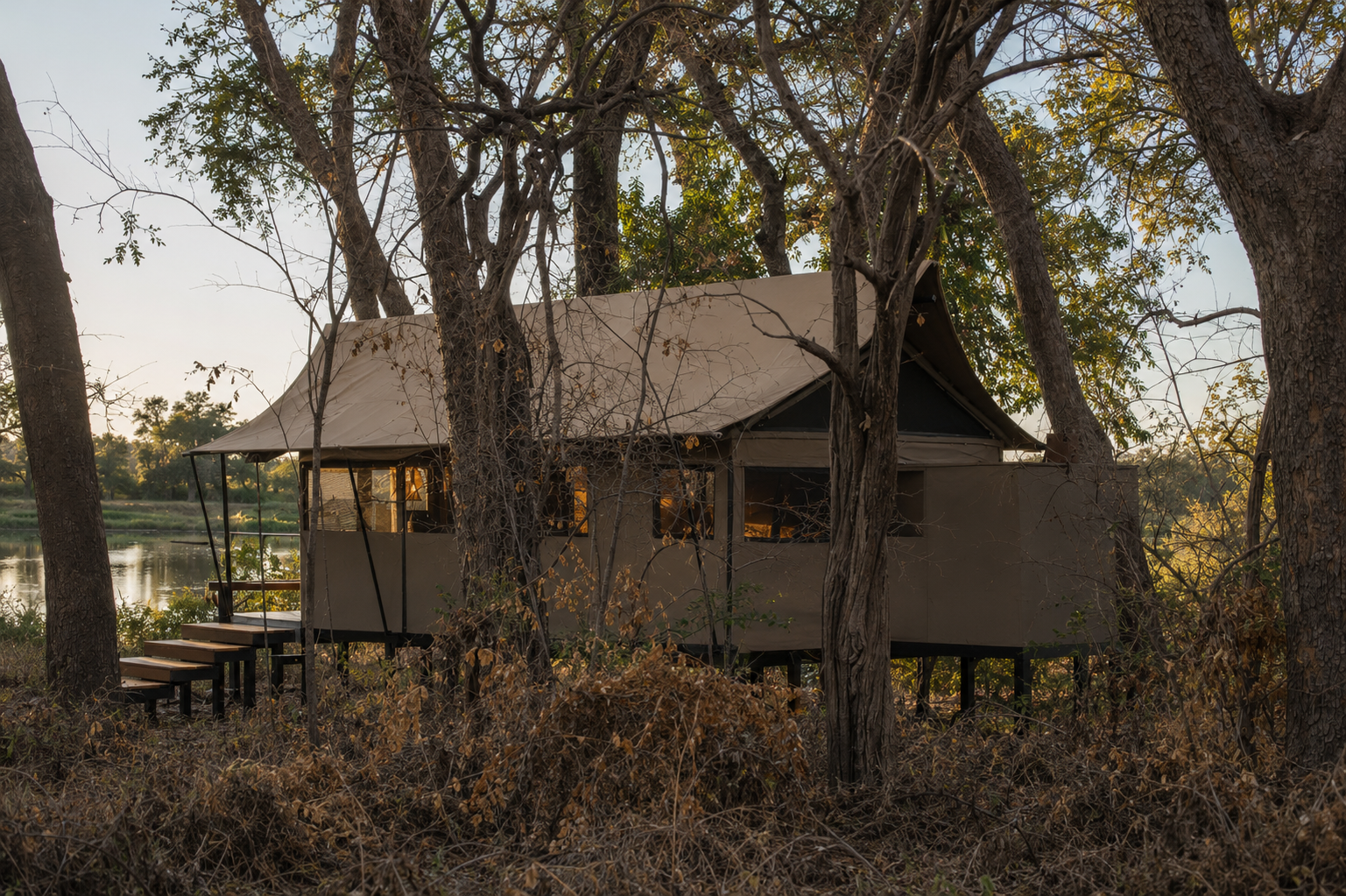
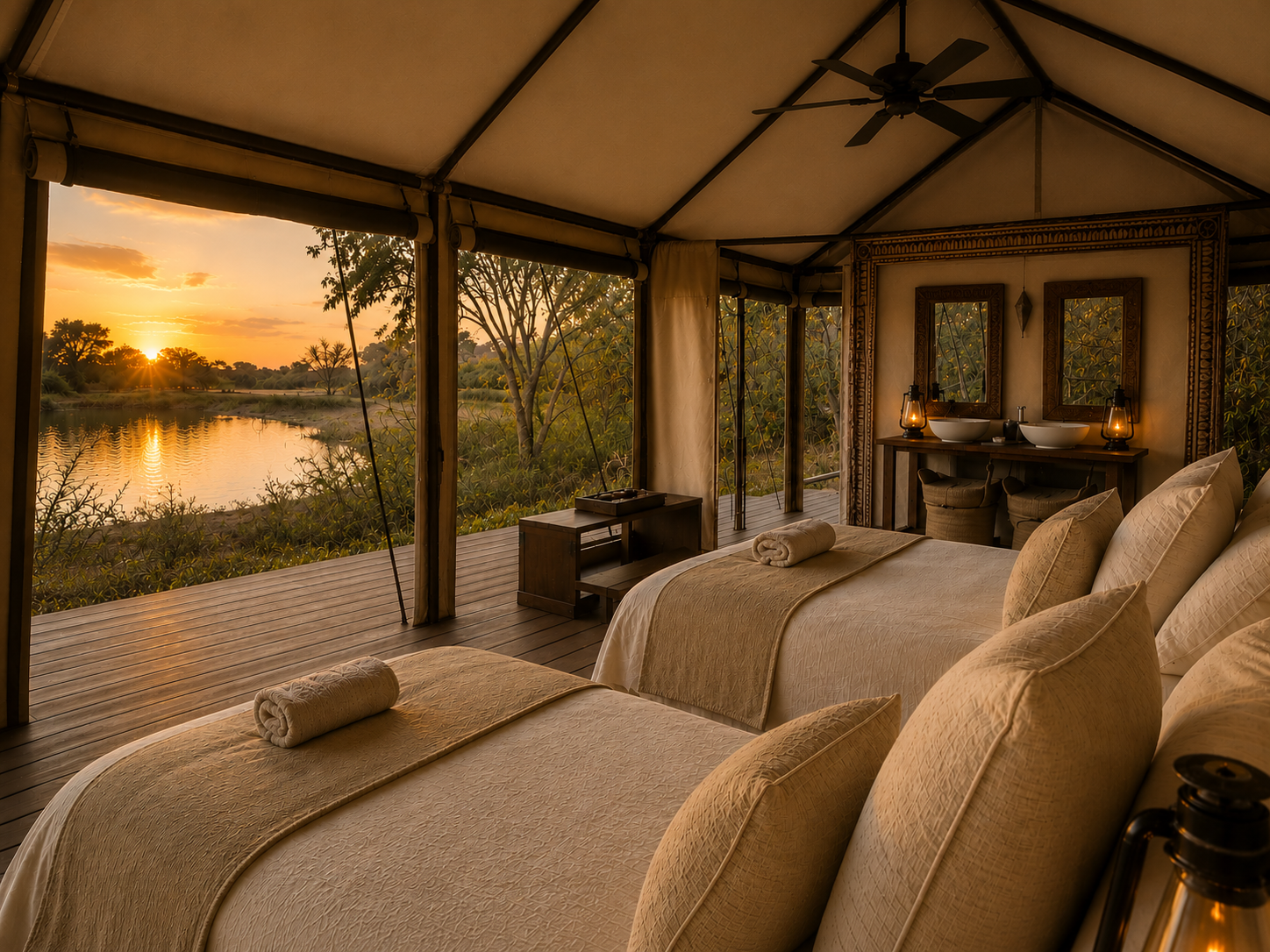
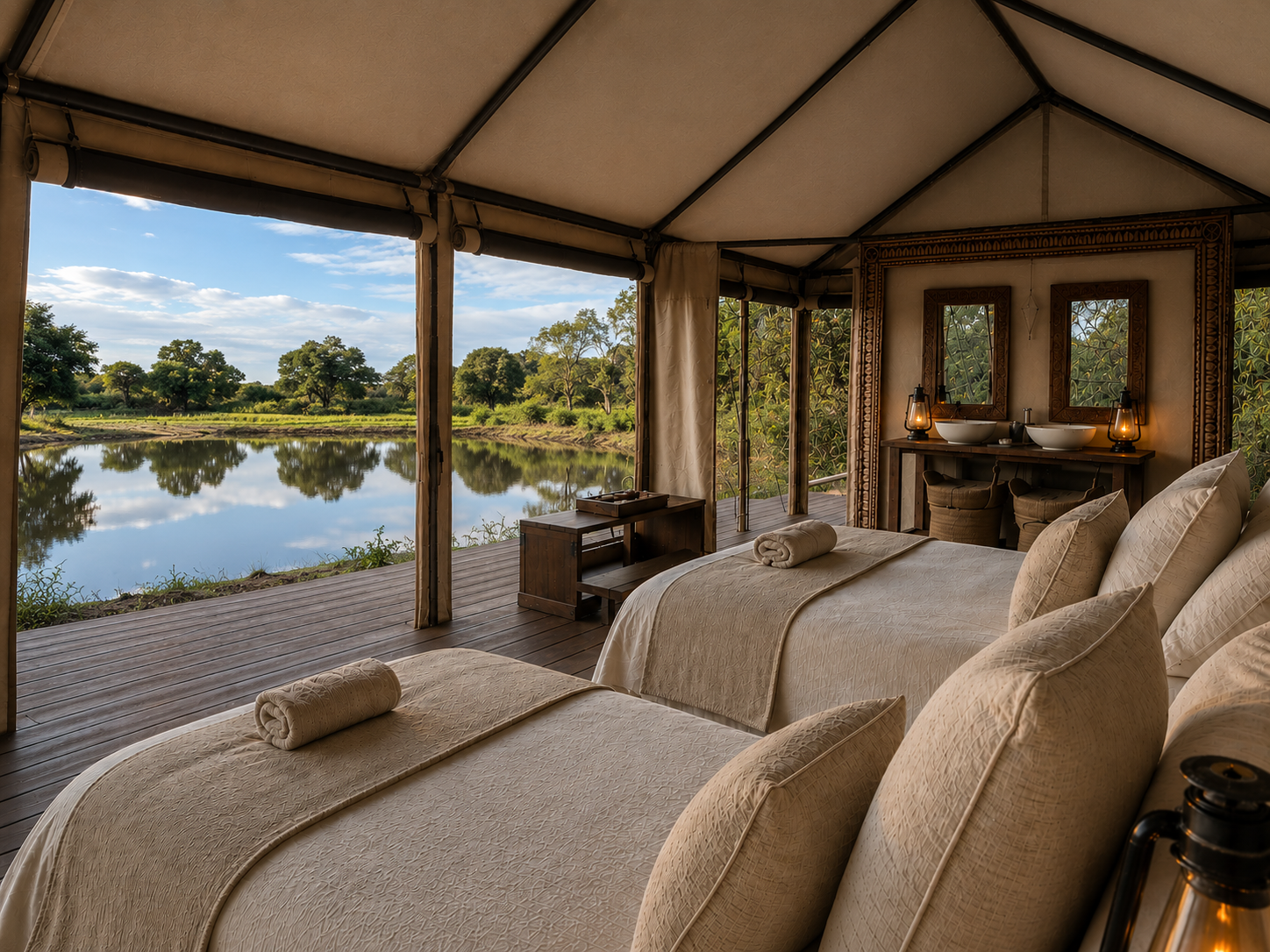
Five safari tents and one family tent, set on raised decking overlooking a wild inland pan. Built for photographers, birders, and those seeking a quieter Africa — with the same understated comfort as Tafika and Makombakomba.
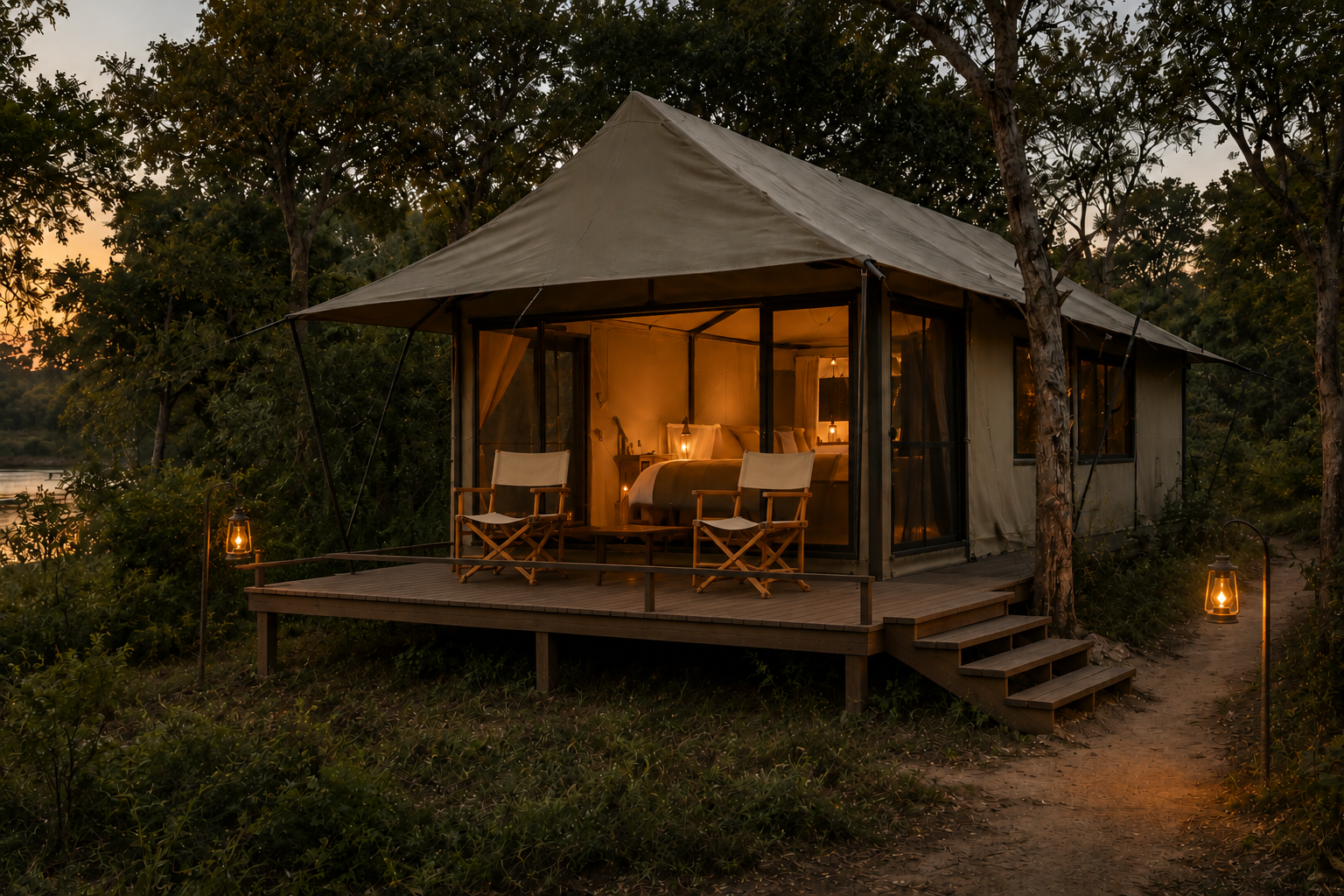
The footprint for raised decking is marked out overlooking the pan. First supply runs into Rifa are underway.
Next update as raised decking and tent structures go in.
Counting down to welcoming our first guests.
Fly into Harare, then take a light aircraft charter to Rifa Airstrip — our team will meet you and drive you the 40 minutes to camp. Self-drive from Harare takes 7–8 hours.
The camp links seamlessly with Tafika and Makombakomba in Sapi, forming one uninterrupted safari corridor along the middle Zambezi.